
Carbon monoxide can’t be seen or smelled, but if gone undetected, it can lead to death.
According to the CDC, more than 420 people die in the U.S. from accidental carbon monoxide poisoning each year. Additionally, more than 100,000 people in the U.S. visit the emergency room each year due to accidental carbon monoxide poisoning.
Install Detectors
It is crucial to install carbon monoxide detectors in your home and business. These devices will sound an alarm if elevated levels of carbon monoxide are detected, providing an early warning system. Regularly check the batteries and ensure that the detectors are working properly.
Proper ventilation is another key aspect of carbon monoxide safety. Ensure that all fuel-burning appliances, such as furnaces, water heaters, and fireplaces are correctly vented to the outside. Blocked or damaged vents can lead to a buildup indoors. Additionally, avoid using generators or grills inside your building or garage as they can produce dangerous levels of carbon monoxide.
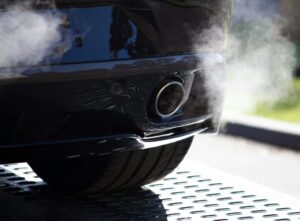
Never leave vehicles running inside closed garages. Even with the garage door open, exhaust fumes can still accumulate in enclosed spaces. Always pull vehicles out of garages before letting them warm up.
Regular maintenance of fuel-burning appliances is vital for safety. Have a qualified professional inspect and service your appliances annually to ensure they’re operating efficiently and not emitting excessive amounts of carbon monoxide. Keep all vents and chimneys clear from any blockages or debris.
Know the Warning Signs
Headaches, dizziness, nausea, confusion, and flu-like symptoms can indicate exposure to carbon monoxide. If you experience these symptoms, or if your carbon monoxide detector alarm sounds, immediately evacuate the building and call emergency services.
For more safety tips, visit RetailersInsurance.com/about/news-and-information.