
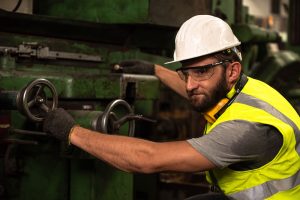
Injuries affecting vision, hearing, or facial structure often lead to some of the most costly workers’ compensation claims, extended recovery times, and could possibly lead to permanent damage. With proper prevention measures, many of these injuries can be avoided and can reduce operational disruptions.
Eye Protection: Preventing Vision Loss
Eye injuries are among the most common workplace incidents. Hazards such as flying debris, dust, chemical splashes, and intense lighting can cause serious damage in seconds. No matter the location where employees work—in warehouses, stockrooms, construction zones, or offices—proper eye protection is essential. Safety glasses, goggles, and face shields should be task-specific and properly fitted. Consistent use is critical. Even brief exposure can result in a serious injury.
Safety Tip: Conduct a quick job-task review to match eye protection to specific duties, and keep spare safety glasses readily available so employees are never tempted to skip protection.
Hearing Protection: Reducing Long-Term Damage
Hearing loss is often gradual and easy to overlook, making it one of the most costly and permanent workplace injuries. Prolonged exposure to loud machinery, tools, alarms, or background noise can damage hearing over time. Once hearing is lost, it cannot be restored. Hearing- related claims frequently result in long-term disability costs and ongoing medical care.
Safety Tip: Identify high-noise areas and post clear signage indicating when hearing protection is required. Ensure spare sets of earplugs or earmuffs are conveniently accessible.
Mouth and Facial Protection: Guarding Against Impact and Exposure
Mouth and facial injuries can result from falling objects, tools, slips, and chemical exposure. These injuries can involve broken teeth, jaw fractures, or facial trauma that require extensive medical or dental treatment. In certain environments, airborne particles or hazardous substances may also pose respiratory risks, increasing the need for protective equipment.
Safety Tip: Regularly inspect face shields, masks, and respirators for proper fit and wear, and replace damaged equipment immediately to maintain effective protection.
Training and Consistency Are Key
Protective equipment only works when used correctly. Regular safety training, clear expectations, and supervisor reinforcement help build habits that reduce injury risk. Encourage employees to report hazards or ill-fitting equipment to strengthen a culture of safety and accountability.
Investing in eye, ear, and mouth protection pays off. Fewer injuries mean fewer claims, lower insurance costs, reduced downtime, and improved employee morale. By prioritizing sensory protection, businesses protect their workforce while safeguarding their bottom line for the long term.